Creating a Low-Water Garden: Plants, Soil, and Design Tips
With Melbourne’s changing climate and growing demand for sustainability, creating a low-water garden is both a smart and eco-conscious choice. By selecting drought-tolerant plants, enriching your soil, and designing with water efficiency in mind, you can build a beautiful garden that thrives with minimal irrigation.
1. Choose the Right Low-Water Plants
Plant choice is key to success. Focus on varieties that tolerate dry conditions and Melbourne’s hot summers.
Top Drought-Tolerant Picks:
-
Kangaroo Paw – Striking flowers with low water needs
-
Westringia (Native Rosemary) – Hardy, adaptable shrub
-
Lavender – Fragrant, sun-loving, and drought-tolerant
-
Grevillea – Native favorite that attracts birds
-
Succulents & Cacti – Minimal watering, bold textures
-
Lomandra & Poa Grasses – Low-maintenance ground fillers
💡 Tip: Group plants with similar water needs for efficient watering.
2. Use the Right Soil and Mulch
Healthy soil = less watering. Improve moisture retention by:
-
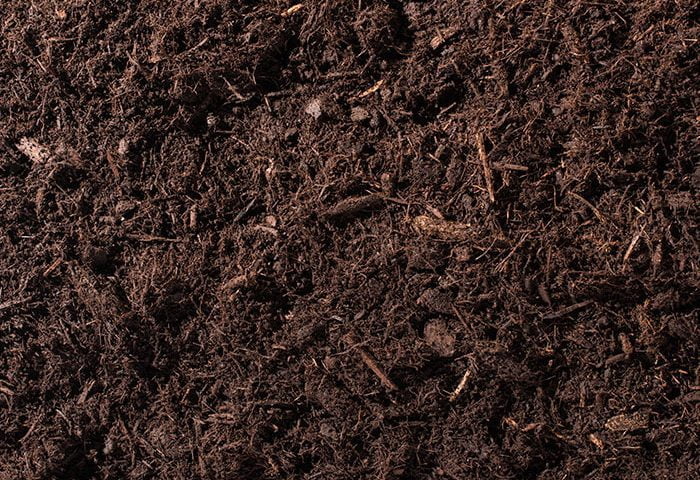
Adding compost or mushroom compost to increase organic matter
-
Mixing in garden soil for sandy areas
-
Using gypsum or compost to loosen clay-heavy soils
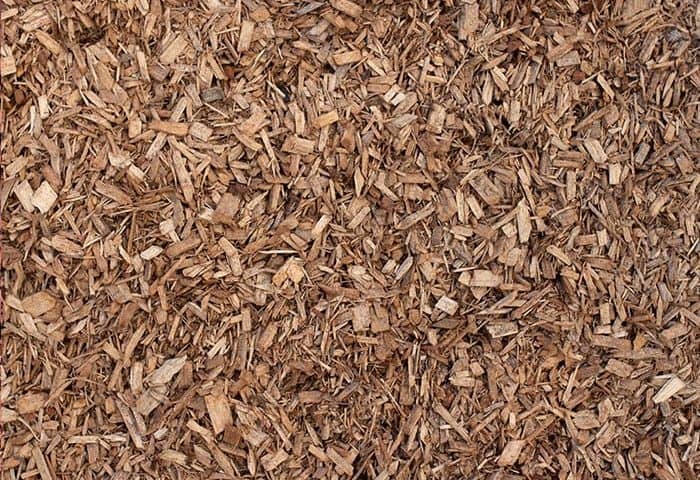
Top off with mulch (pine mulch, treeloppers mulch) to:
-
Lock in moisture
-
Reduce evaporation
-
Suppress weeds
3. Design Tips for Water-Wise Gardening
-
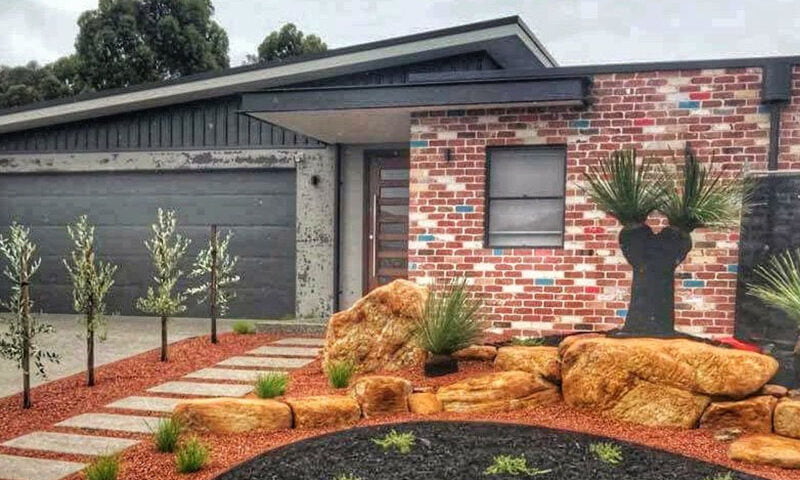
Limit Lawn Areas: Replace thirsty grass with gravel, crushed rock, or native groundcovers
-
Create Zones: Group plants by water needs for targeted irrigation
-
Use Hardscaping: Add crushed rock paths, timber edging, and feature stones
-
Install Smart Irrigation: Use drip systems or soaker hoses to water efficiently
-
Plant in Layers: Use trees, shrubs, and groundcovers to shade soil and conserve water
Get the Materials You Need at Dalton
Dalton Building and Garden Supplies has everything you need for a thriving, water-wise garden:
-
Mulch
-
Soil and compost
-
Crushed rock
-
Native plants and more
Visit us in-store or contact us today for expert advice and high-quality materials to help you create a sustainable garden that suits Melbourne’s climate.