Generic selectors
Exact matches only
Search in title
Search in content
Post Type Selectors
15 Sep 2025
Landscaping Materials

The Ultimate Guide to Landscaping Materials (Soil, Mulch, Gravel & More)

Creating a Beautiful and Functional Garden

The right materials make all the difference when building a garden. From strong foundations to stylish finishes, landscaping materials provide the structure, support, and finishing touches that bring your outdoor space together.

This guide explains the most common landscaping materials—what they are, how they’re used, and tips for choosing the best options for your project.

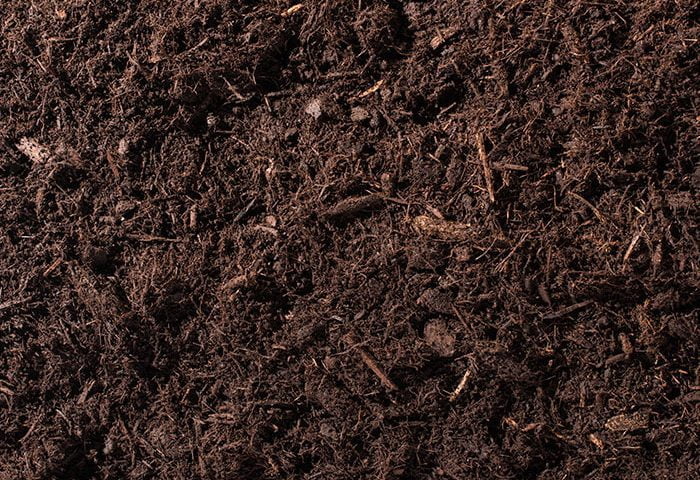
1. Soil: The Foundation of Every Garden

Healthy soil is essential for thriving plants, lawns, and trees. Choosing the right blend can mean the difference between a struggling garden and a flourishing one.

  • Garden Soil – A balanced mix of sand, silt, clay, and organic matter. Ideal for vegetable patches and flower beds.
  • Sandy Loam – Perfect for lawns and turf installation thanks to good drainage and root penetration.
  • Premium Potting Mix – Enriched with nutrients and excellent water retention for potted plants.

Tip: Improve existing soil by adding compost, gypsum (for clay), or organic matter to enhance structure and drainage.

2. Mulch: Protect and Enrich Your Garden

Mulch keeps garden beds neat while supporting plant health.

  • Organic Mulch (bark, wood chips, straw) – Breaks down over time to improve soil and add nutrients.
  • Inorganic Mulch (pebbles, crushed rock) – Long-lasting and low-maintenance for decorative or high-traffic areas.

Benefits: Retains soil moisture, suppresses weeds, and protects roots from temperature extremes.

3. Gravel & Crushed Rock: Durable and Versatile

Gravel and crushed rock suit everything from decorative finishes to heavy-duty construction.

  • Crushed Rock (Road Base) – Stable foundation for driveways, pathways, and pavers.
  • Decorative Gravel – Adds color and texture to garden beds and paths.
  • Drainage Gravel – Prevents waterlogging around foundations and in garden beds.

Tip: Always compact the crushed rock base before laying pavers, turf, or driveways.

4. Sand: More Than Just a Beach Material

Sand is useful for both construction and gardening.

  • Bricklaying Sand – Fine sand for mixing with cement.
  • Washed Sand – Ideal for kids’ sandpits and as a base under pavers.
  • Concrete Sand – Coarse sand for strong concrete mixes.

5. Cement & Concrete Mixes: Building with Strength

For landscaping projects involving construction, cement is essential.

  • General Purpose Cement – Suitable for footings, fence posts, and more.
  • Dry Concrete Mix (aggregate & sand) – Add cement and water for small jobs.
  • Rapid-Set Products – Convenient for quick fixes like setting letterboxes or fence posts.

6. Decorative Stones & Pebbles: Finishing Touches

Decorative stones add polish and a modern look.

  • River Pebbles – Smooth, natural stones for garden edging.
  • White Pebbles – Create contrast and a clean, contemporary finish.
  • Scoria – Lightweight volcanic rock used for drainage or striking garden features.

7. Timber & Sleepers: Structure and Support

Timber sleepers are ideal for retaining walls, raised beds, or edging.

  • Treated Pine Sleepers – Affordable and versatile.
  • Hardwood Sleepers – Stronger, longer-lasting, and naturally attractive.

Final Tips for Choosing Landscaping Materials

  • Start with your soil – It’s the foundation of every healthy garden.
  • Think function first, looks second – Durability and drainage matter as much as aesthetics.
  • Mix materials wisely – Combine mulch, gravel, and plants for both beauty and practicality.

Ready to Start Your Next Project?

Whether you’re creating a pathway, building a garden bed, or refreshing your lawn, the right landscaping materials will help you achieve professional, long-lasting results.

15 Sep 2025
Instant turf or grass seed

Instant Turf vs Grass Seed: Which Is Better for Your Lawn?

When it comes to creating a lush, green lawn, homeowners often face the big question: should I lay instant turf or grow grass from seed? Both options can give you a beautiful yard, but the right choice depends on your budget, timeline, and how much effort you’re willing to put in.

In this guide, we’ll compare instant turf vs grass seed so you can make the best decision for your Melbourne lawn.

What Is Instant Turf?

Instant turf (also called sod) is pre-grown grass that comes in rolls or slabs. It’s laid directly on prepared soil for an immediate green lawn.

Pros of Instant Turf:

  • Instant Results – You can go from bare dirt to a green lawn in a single day.
  • Erosion Control – Perfect for sloped areas or sites prone to soil erosion.
  • Fewer Weeds – Turf has less competition from weeds compared to seeded lawns.
  • High Success Rate – Less risk of patchy growth.

Cons of Instant Turf:

  • Higher Cost – Turf is more expensive upfront compared to seed.
  • Labour Intensive – Heavy rolls need to be installed quickly after delivery.

What Is Grass Seed?

Grass seed is the traditional way to grow a lawn. Seeds are spread over prepared soil and nurtured until they establish into full turf.

Pros of Grass Seed:

  • Lower Cost – Seed is much cheaper than buying instant turf.
  • More Variety – You can choose from a wider range of seed mixes to suit shade, traffic, or drought conditions.
  • Easier DIY – Spreading seed is lightweight work compared to laying turf rolls.

Cons of Grass Seed:

  • Slower Results – It can take 6–12 weeks before your lawn is fully usable.
  • Higher Maintenance – Requires frequent watering, fertilising, and weed control during establishment.
  • Erosion Risk – Seeds can wash away on sloped areas or after heavy rain.

Instant Turf vs Grass Seed: Side-by-Side

Factor Instant Turf Grass Seed
Cost Higher upfront Much cheaper
Timeframe Instant results (usable in weeks) 2–3 months to establish
Labour Heavy rolls, fast installation Easy to spread, longer care
Weed Resistance More resistant initially Needs constant weed control
Success Rate High if watered properly Can be patchy or fail
Best For Quick lawns, erosion control Budget projects, small areas

Which One Should You Choose?

Choose Instant Turf If

  • You want a lawn right away.
  • You’re landscaping a large or sloped area.
  • You want a higher success rate with less risk of failure.

Choose Grass Seed If:

  • You’re working on a budget.
  • You don’t mind waiting for results.
  • You want flexibility in grass varieties.

Final Thoughts

There’s no one-size-fits-all answer to the turf vs seed debate. For Melbourne homeowners, instant turf is the best choice if you want fast, reliable results and a finished lawn with minimal fuss. Grass seed is a budget-friendly alternative, but it requires patience, care, and a bit of luck with the weather.

Either way, preparing your soil properly and following good lawn care practices will make the biggest difference in achieving a healthy, green lawn.

08 Sep 2025
Pavers and Pathways

The Best Base Materials for Pavers and Pathways

When it comes to creating a strong, long-lasting pathway or paved area, the foundation matters just as much as the pavers you choose. Without the right base material, your pavers can shift, sink, or crack over time. If you’re planning a pathway installation or paving project in Melbourne, knowing which base materials work best is key.

In this guide, we’ll compare the most common base options — crushed rock and sand — and explain how to prepare a solid foundation for your project.

Why the Right Base Matters

Pavers and pathways endure constant pressure from foot traffic, vehicles, and weather conditions. A strong base:

  • Prevents sinking and uneven surfaces
  • Improves drainage
  • Extends the life of your pathway or paved area
  • Ensures a smooth, professional finish

Skipping proper base preparation is the fastest way to end up with costly repairs later.

Crushed Rock Base

Crushed rock is the most common and reliable base material for pavers and pathways. In Melbourne, it’s often used for driveways, garden paths, and even road construction because it compacts into a strong, stable surface.

Benefits of Crushed Rock:

  • Excellent Stability – Forms a hard, level base that resists shifting.
  • Great Drainage – Allows water to filter through, reducing the risk of pooling.
  • Durable – Withstands heavy loads, making it ideal for driveways and high-traffic areas.

Typical Installation Depth:

  • Paths and patios – 75–100mm of compacted crushed rock
  • Driveways – 100–150mm of compacted crushed rock

Sand Layer

While sand isn’t strong enough to act as the sole base material, it’s used as a bedding layer on top of crushed rock. The sand provides a smooth surface for pavers to sit on and allows for minor adjustments during installation.

Benefits of Sand Bedding:

  • Flexible – Makes it easier to level pavers.
  • Even Finish – Prevents rocking and unevenness.
  • Cost-Effective – Affordable material that complements crushed rock.

Typical Installation Depth:

  • 20–30mm of washed sand spread evenly over the compacted crushed rock.

Crushed Rock vs Sand: Which Should You Use?

It’s not an either/or choice — the best pathway installation uses both materials together:

  1. Start with a strong crushed rock base to provide stability and drainage.
  2. Add a thin sand bedding layer to create a smooth, even surface for laying pavers.

This combination gives you the durability of crushed rock with the finishing flexibility of sand.

Step-by-Step Base Preparation for Pavers

  1. Excavate the area to the required depth (base + bedding + paver thickness).
  2. Lay and compact crushed rock in layers until you reach the desired thickness.
  3. Spread a bedding layer of sand, about 20–30mm thick.
  4. Level and screed the sand so it’s even.
  5. Lay your pavers and compact them into place.
  6. Fill joints with fine sand to lock everything together.

Final Thoughts

For Melbourne homeowners and landscapers, the winning formula is clear: a crushed rock base with a sand bedding layer is the best approach for paver base installation. This combination ensures your pathways and patios not only look great but also stand the test of time.

If you’re sourcing paver base in Melbourne, make sure you choose high-quality crushed rock and washed sand to guarantee the best results for your project.

08 Sep 2025
Backyard Landscaping

The Ultimate Beginner’s Guide to Backyard Landscaping

Dreaming of a beautiful backyard but don’t know where to start? Whether you’re in a new home or finally tackling that tired outdoor space, landscaping can feel overwhelming—until now.

This beginner’s guide breaks down backyard landscaping into easy steps so you can confidently create a space that’s both functional and beautiful, tailored to Melbourne’s climate and lifestyle.

1. Start With a Plan (Don’t Skip This Step!)

Before you start digging or planting, step back and plan. Ask yourself:

  • What do I want from my backyard? (e.g., entertaining, play area, veggie patch)
  • How much time do I want to spend maintaining it?
  • What’s my budget?

Draw a rough sketch of your space. Mark existing features (trees, patios) and note sun/shade patterns throughout the day.

2. Choose a Landscaping Style

Pick a style that fits your home and personality. Popular backyard styles include:

  • Modern minimalist – clean lines, structured plants, pavers + crushed rock
  • Native/Australian bush – drought-tolerant plants, bark mulch, informal layout
  • Family-friendly – lawn area, play zones, soft-fall mulch for safety
  • Entertainer’s haven – deck, fire pit, seating, gravel paths, low-light plants

3. Prep the Groundwork: Soil, Drainage & Edging

Healthy plants start with healthy soil. Test your soil and improve it with compost or mushroom compost if needed. Consider:

  • Sandy soil? Use organic matter to help it hold moisture
  • Clay soil? Add gypsum and compost to loosen it
  • Poor drainage? Raised beds or crushed rock can help

Install garden edging or timber sleepers to define zones and keep things neat.

4. Choose Your Hardscaping Materials

Hardscaping includes non-plant features like paths, retaining walls, and patios.

  • Crushed rock or toppings: Affordable, great for pathways and driveways
  • Pavers or stepping stones: Ideal for modern designs
  • Treated pine sleepers: Great for garden beds or terracing
  • Mulch: Not just for gardens—it defines paths and retains moisture

Tip: We stock a range of crushed rock, timber, soil, and mulch to suit all garden designs.

5. Pick Low-Maintenance Plants

Start small and choose plants that suit your climate and lifestyle. For Melbourne:

  • Drought-tolerant picks: Lomandra, rosemary, kangaroo paw, Westringia
  • Shade-friendly: Clivia, ferns, camellias
  • Pollinator-friendly: Lavender, grevillea, salvia

Group plants by their water needs and use mulch to reduce watering and weeds.

6. Add Final Touches

Don’t forget the extras that bring your backyard to life:

  • Outdoor lighting
  • Decorative gravel or crushed rock
  • Fire pit or water feature
  • Vertical garden or trellis
  • Raised veggie beds

Your Landscaping Project Starts Here

At Dalton Building & Garden Supplies, we’ve helped thousands of homeowners transform their backyards with quality landscaping materials—delivered across Melbourne.

Need help choosing the right soil, crushed rock, mulch, or timber sleepers for your project? Our friendly team is happy to guide you.

08 Sep 2025
Instant Turf

How to Care for Your Instant Turf in the First 6 Weeks

You’ve just laid your instant turf — congratulations! But while it looks amazing on day one, the next six weeks are critical for helping your lawn take root and thrive. If you skip proper care during this time, your turf may dry out, develop bare patches, or fail to establish.

Here’s a step-by-step guide to caring for your instant turf in the first six weeks.

Week 1–2: Daily Watering Is Essential

Freshly laid turf has very shallow roots, so it dries out quickly.

  • Water immediately after installation until the soil beneath is soaked to about 100mm deep.
  • For the first two weeks, water your lawn daily, ideally in the early morning.
  • On hot or windy days, you may need a second watering in the afternoon.
  • Avoid walking on the turf while it’s still soft and spongy.

Week 3–4: Reduce Frequency, Encourage Root Growth

By the third week, your turf should be starting to establish roots.

  • Check Rooting: Gently lift a corner — if you feel resistance, the roots are growing.
  • Adjust Watering: Reduce watering to every 2–3 days, but water more deeply. This trains roots to grow deeper into the soil.
  • Watch for Dry Spots: Areas near edges, paths, or slopes may dry out faster — give them extra attention.

Week 5–6: Mow and Feed Your Turf

At this stage, your lawn should be ready for its first mow and a light feed.

  • First Mow: When the grass blades reach about 6–8cm, mow using the highest setting on your mower. Never cut off more than one-third of the blade in a single mow.
  • Fertilising: Apply a slow-release lawn fertiliser to encourage strong root development and healthy growth. Water it in well after applying.
  • Traffic: By week six, your lawn can usually handle light foot traffic — but wait longer for sports, pets, or heavy use.

Ongoing Care Tips

  • Weed Control: Avoid using herbicides until your turf is fully established (usually after 3 months).
  • Keep Mowing Regularly: Frequent mowing encourages a dense, even lawn.
  • Seasonal Care: Adjust watering and feeding based on Melbourne’s changing seasons — more water in summer, less in winter.

Final Thoughts

Caring for your instant turf properly in the first six weeks makes all the difference between a patchy yard and a thriving, long-lasting lawn. With the right watering, mowing, and feeding schedule, your new turf will quickly establish and reward you with a lush, green lawn you can enjoy for years to come.

01 Sep 2025
Learn how to lay turf like a pro

How to Lay Turf for Instant Results

If you’re dreaming of a lush, green lawn without the long wait of growing grass from seed, laying turf is the quickest solution. With the right preparation and installation, you can transform bare soil into a beautiful, usable lawn in just one day.

Whether you’re a first-timer or a DIY landscaper, this guide will walk you through everything you need to know about turf installation in Melbourne for instant results.

Why Choose Turf Over Seed?

  • Instant Lawn – No months of waiting for seeds to germinate.
  • Erosion Control – Turf holds soil in place immediately.
  • High Success Rate – Much less risk of patchy growth.
  • Immediate Use – Light foot traffic can be allowed within a couple of weeks.

Step 1: Choose the Right Turf Variety

Not all grasses thrive in Melbourne’s climate. Some popular choices include:

  • Sir Walter Buffalo – Shade-tolerant and hardy.
  • Kikuyu – Fast-growing and tough, great for active families.
  • Couch – Fine-leaf and perfect for full sun.
  • Tall Fescue – Stays green year-round with regular watering.

Pick the turf that suits your sunlight conditions, soil type, and lifestyle needs.

Step 2: Prepare the Ground

Good preparation makes all the difference.

  1. Clear the Area – Remove weeds, old grass, and debris.
  2. Level the Soil – Use a rake to create a smooth, even surface.
  3. Add Topsoil – Spread 50–100mm of quality sandy loam to promote strong root growth.
  4. Fertilise – Apply a starter fertiliser to give your new turf the nutrients it needs.

Step 3: Lay the Turf

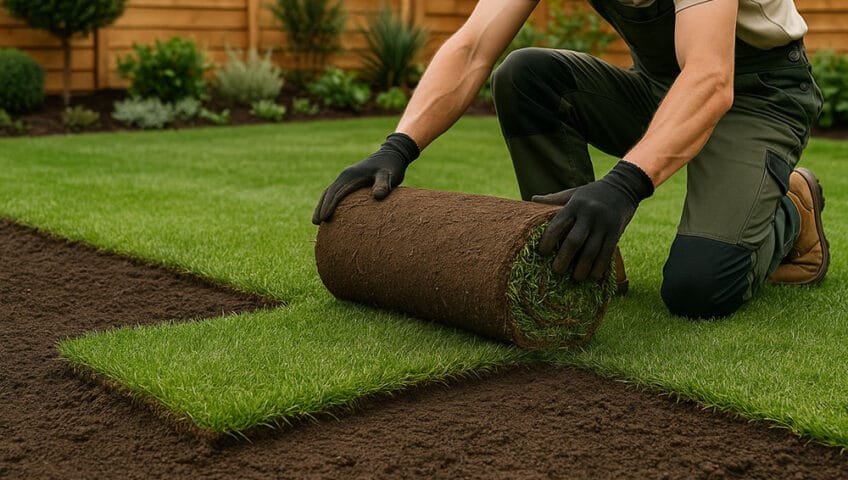
  • Start Along a Straight Edge – Begin laying rolls of turf in a straight line (like along a fence or driveway).
  • Stagger the Joints – Lay each new row in a brick-like pattern for stability.
  • Tight Fit – Push edges together without overlapping to avoid gaps.
  • Trim to Fit – Use a sharp knife for corners and edges.

Step 4: Water Immediately

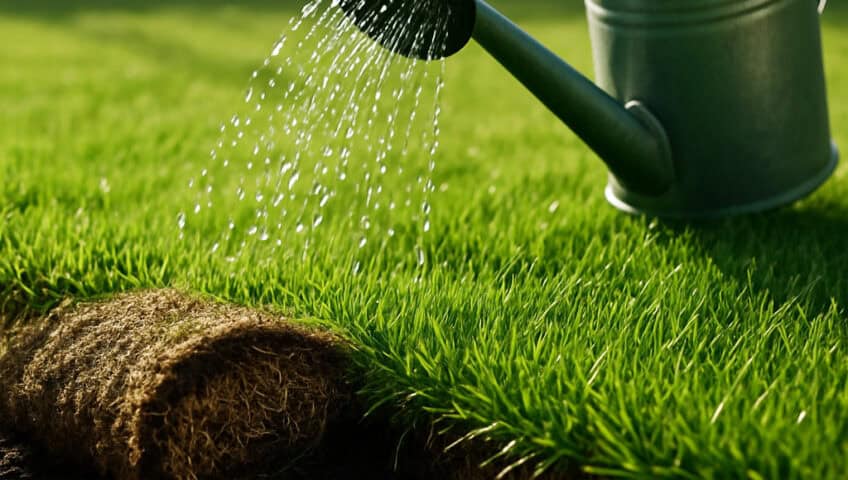
As soon as the turf is laid, water it thoroughly. The goal is to soak both the turf and the soil beneath. For the first 2–3 weeks, keep the turf damp at all times to encourage root establishment.

Step 5: Maintain Your New Lawn

  • Mow When Ready – Wait until the turf is firmly rooted (usually 3–4 weeks) before mowing. Keep blades high for the first few cuts.
  • Fertilise Regularly – Feed your lawn seasonally to maintain colour and thickness.
  • Water Deeply – Once established, water less often but more deeply to encourage deep root growth.

Quick Turf Laying Tips

  • Lay turf on the day of delivery for best results.
  • Avoid walking on newly laid turf for the first few weeks.
  • Use lawn rollers to press turf firmly into the soil.

Final Thoughts

With the right preparation and a little care, you can enjoy a healthy, green lawn instantly. Turf installation in Melbourne is a straightforward project that delivers quick results and long-lasting beauty to your outdoor space.


01 Sep 2025
Low-Maintenance Garden

How to Design a Low-Maintenance Garden That Still Looks Great

When life gets busy, the last thing you want is a garden that demands constant upkeep. A well-designed low-maintenance garden can give you all the beauty with far less work — and it’s perfectly suited to Melbourne’s unpredictable climate. Whether you’re starting from scratch or simplifying an existing garden, here’s how to design a space that looks great year-round, without all the hassle.

1. Start with a Smart Layout

Begin by planning your garden layout around functionality and simplicity. Use clean lines, grouped plantings, and larger planting zones to reduce clutter and make maintenance easier. Avoid over-complicating with too many plant varieties or intricate shapes.

Tip: Curved garden beds and clear separation between lawn, path, and garden areas can make mowing and trimming faster and cleaner.

2. Choose the Right Plants

Focus on drought-tolerant and hardy plant varieties that thrive in Melbourne without constant watering, feeding, or pruning. Native plants are ideal — they’re well-adapted to the local climate and generally require minimal attention once established.

Low-Maintenance Plant Ideas for Melbourne:

  • Lomandra
  • Westringia (Coastal Rosemary)
  • Kangaroo Paw
  • Correa
  • Lavender
  • Agapanthus

These plants also help support local biodiversity and attract beneficial insects.

3. Use Mulch to Your Advantage

Mulching is one of the best time-saving garden hacks. It helps retain soil moisture, suppresses weeds, and improves the soil as it breaks down. At Dalton Building and Garden Supplies, we stock a variety of mulches including:

  • Pine Mulch
  • Treeloppers Mulch
  • Soft Fall Mulch (great for play areas)
  • Coloured Mulch (red, black, brown) for a sharp, decorative finish

Apply mulch about 75mm thick across garden beds and top up once or twice a year.

4. Minimise Lawn Areas

Lawns can be high-maintenance if not managed well. Reducing the overall lawn area and replacing it with garden beds, crushed rock paths, or pavers can save water and mowing time.

Where you do want lawn, use sandy loam lawn soil for better drainage and root health — it helps reduce issues with waterlogging and weeds.

5. Install Simple, Efficient Irrigation

Drip irrigation or low-flow sprinklers on a timer are perfect for keeping your garden watered efficiently with minimal input. Group plants with similar water needs together so you’re not overwatering one area to keep another alive.

6. Incorporate Hardscaping

Use hardscaping materials like crushed rock, gravel, pavers, and sleepers to reduce planting zones and keep garden care easy. They also help define spaces and create visual interest without relying on constant plant upkeep.

Popular options from our yard:

  • Crushed Rock
  • Toppings
  • Decorative Pebbles
  • Sleepers and Stepping Stones

7. Keep It Simple and Sustainable

A low-maintenance garden isn’t about skipping the design — it’s about designing smarter. Stick to fewer plant species, space them properly, and choose materials that last. Sustainable practices like composting, mulching, and drought-proofing will also save you time and money long-term.

Final Thoughts

With a bit of planning and the right materials, you can create a garden that looks beautiful but doesn’t demand your weekends. Whether you’re a busy homeowner or want to keep garden chores to a minimum, Dalton Building and Garden Supplies can help you bring your low-maintenance garden to life.

Need help choosing the right mulch, soil, or crushed rock?
Visit us in-store or contact our team for expert advice and bulk supply options across Melbourne.

01 Sep 2025
Fire Pit Area with Crushed Rock

How to Build a Fire Pit Area with Crushed Rock or Gravel

A fire pit is one of the best ways to turn your backyard into a cozy, year-round entertaining space. Using crushed rock or gravel is not only an affordable and durable option, but it also gives your fire pit area a natural, rustic look that fits beautifully with Melbourne gardens.

In this guide, we’ll walk you through how to build a fire pit area using crushed rock or gravel—perfect for a weekend DIY project.

Why Use Crushed Rock or Gravel Around a Fire Pit?

  • Excellent Drainage: Crushed rock allows water to drain easily, preventing puddles or muddy patches.
  • Heat Resistance: Unlike pavers or concrete, gravel doesn’t crack under heat.
  • Low Maintenance: Weed-resistant and easy to top up over time.
  • Cost-Effective: A budget-friendly way to define a stylish outdoor space.

Step-by-Step Guide

Step 1: Choose the Right Location

Select a flat, open area of your yard at least 3 metres away from buildings, trees, or fences. Check local council regulations around open flames or fire pits before you begin.

Step 2: Mark Out the Area

Decide on the size of your fire pit area. A 3–4 metre diameter is ideal. Use marking paint, rope, or a garden hose to outline the shape.

Step 3: Prepare the Ground

  • Remove all grass, weeds, and topsoil.
  • Dig down about 100–150mm.
  • Level and compact the base using a hand tamper or plate compactor.

Step 4: Install a Base Layer (Optional)

Lay down a weed mat to reduce maintenance. You can also add a thin layer of crushed rock as a sub-base for extra stability.

Step 5: Add Crushed Rock or Gravel

  • Fill the area with 75–100mm of crushed rock, toppings, or decorative gravel.
  • Spread evenly and compact it using a plate compactor or hand tamper.
  • Rake the surface for a smooth, even finish.

Pro Tip: Use larger crushed rock (20mm or above) for durability, or smaller toppings for a smoother look.

Step 6: Place the Fire Pit

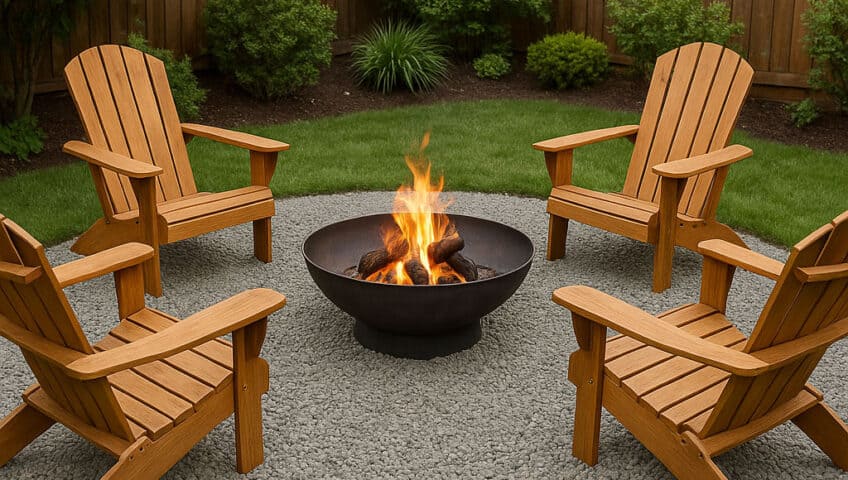
Choose from a freestanding fire bowl, metal ring, or a built-in fire pit. Make sure it’s stable and positioned in the centre of the gravel zone.

Bonus Add-Ons:

  • Add seating: Built-in benches, timber sleepers, or Adirondack chairs work well.
  • Lighting: Solar lights or festoon lights add ambience.
  • Edging: Steel, timber, or stone edging keeps the gravel contained and tidy.

Supplies You’ll Need:

  • Crushed rock or gravel (available in bulk or bags)
  • Shovel, rake, and wheelbarrow
  • Weed mat (optional)
  • Fire pit kit or fire bowl
  • Compactor (rent or borrow)
  • Edging materials (optional)

Where to Buy Crushed Rock in Melbourne

At Dalton Building & Garden Supplies, we stock a range of crushed rock, decorative gravel, and road base materials perfect for DIY backyard projects like this. Need help calculating how much you need? Contact us or drop by and our team can assist.

Thinking of upgrading your outdoor space?
Start with a fire pit area—simple, affordable, and the ultimate backyard centerpiece.

14 Aug 2025
Straightcurve 0003 lawn

Winter Lawn Care Melbourne – Checklist for Healthy Grass

Many Melbourne homeowners slow down on lawn care during the cooler months—but winter is actually the perfect time to prepare your lawn for a lush, green spring. With the right care now, you’ll set your grass up to thrive when the warmer weather arrives.

Here’s your winter lawn care checklist, tailored for Melbourne’s unique climate and soil conditions.

  1. Keep Your Lawn Clear
    Regularly remove leaves, sticks, and garden debris. This prevents moisture build-up, mould, pests, and diseases from damaging your lawn during Melbourne’s damp winter.
  2. Adjust Your Mowing Routine
    In winter, grass grows slower. Reduce mowing frequency and keep mower blades high to avoid cutting too short, which can leave grass vulnerable to frost damage.
  3. Aerate Heavy Soils
    Melbourne’s clay-heavy soils can compact easily in wet conditions. Use a garden fork or lawn aerator to improve drainage, boost airflow to roots, and promote healthier growth.
  4. Fertilise with a Slow-Release Winter Fertiliser
    A light feed with a slow-release fertiliser will help maintain lawn health during its dormant phase and give it a head start for spring.
  5. Watch for Weeds and Pests
    Winter weeds such as clover and broadleaf can creep in. Remove by hand or apply a suitable herbicide. Look out for lawn pests like grubs and treat them promptly.
  6. Top-Dress with Sandy Loam
    Top-dressing your lawn with sandy loam in winter improves drainage, levels uneven areas, and helps prevent compaction—especially useful for Melbourne lawns.

Get Your Lawn Winter-Ready with Dalton

At Dalton Building and Garden Supplies, we stock premium sandy loam, fertilisers, and other essential lawn care products to keep your grass healthy year-round.

Visit us in-store or contact us today for expert lawn care advice and fast delivery across Melbourne.

14 Aug 2025
Benefits of Mushroom Compost

Mushroom Compost: Benefits and Uses for Your Garden

If you’re looking for a natural way to improve soil health and boost plant growth, mushroom compost is an excellent choice. Rich in organic matter and nutrients, it helps your garden thrive—whether you’re working on garden beds, veggie patches, or lawns.

What is Mushroom Compost?

Mushroom compost is the used growing medium from mushroom farms, typically made from straw, gypsum, and manure. Once mushrooms are harvested, the compost is pasteurised, leaving behind a nutrient-rich soil conditioner ready for garden use.

Benefits of Mushroom Compost

Boosts Soil Fertility – Adds organic matter and slowly releases nutrients, reducing the need for synthetic fertilisers.
Improves Soil Texture – Loosens heavy clay for better drainage and helps sandy soils retain moisture—perfect for Melbourne’s varied conditions.
Encourages Healthy Plant Growth – Supports strong roots, lush foliage, and better flowering and fruiting.
Suppresses Weeds – Acts as a light mulch to reduce weed growth and lock in soil moisture.

How to Use Mushroom Compost

Garden Beds – Mix into the top 10–15cm of soil before planting.
Veggie Patches – Blend in to boost soil structure and fertility.
Top-Dressing – Spread lightly over lawns or beds to add nutrients.
Mulch Alternative – Apply as a nutrient-rich mulch around plants.

Get Mushroom Compost at Dalton
Dalton Building and Garden Supplies offers premium mushroom compost in Melbourne to help your garden flourish. Visit us in-store or contact us for expert advice on all your garden needs.