
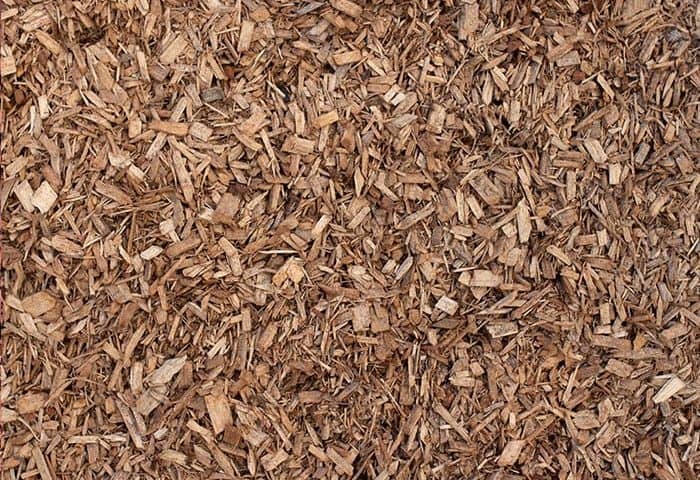
Mulching is an essential gardening practice that offers numerous benefits to both the soil and the plants. Choosing the right type of mulch can make all the difference. Let’s delve into the various types of mulches and their benefits, drawing from the insights provided by the sources you shared.
What is Mulch?
Mulch is a protective layer spread over the soil’s surface or around plants. It can be made from a variety of organic or inorganic materials. Think of soil as a ‘cake,’ and mulch is the ‘icing’ or ‘topping’ that provides a myriad of benefits for the garden.
Benefits of Mulching:
Mulching is a time-tested gardening practice that offers a plethora of advantages. Let’s delve deeper into each of these benefits using the insights from the provided sources:
Weed Suppression
Mulches act as a barrier, preventing sunlight from reaching the soil. This makes it difficult for weed seeds to germinate and grow. By suppressing weed growth, mulches ensure that your plants don’t have to compete for water, nutrients, and space. This not only keeps your garden looking tidy but also reduces the need for chemical weed killers or frequent manual weeding.
Pest Control
Certain mulches have properties that repel pests. For instance, cedar bark emits a scent that many insects dislike. Additionally, a thick layer of mulch can act as a physical barrier, preventing pests and certain insects from reaching plant roots. However, it’s essential to choose the right type of mulch, as some might attract pests.
Moisture Retention
One of the primary benefits of mulching is its ability to retain soil moisture. Mulches reduce the evaporation of water from the soil’s surface, ensuring that plants have a consistent supply of moisture. This is especially beneficial during hot summers when water can evaporate rapidly. By maintaining moisture levels, mulches reduce the frequency of watering, conserving water and saving time for gardeners.
Temperature Regulation
Mulches act as insulators. During hot days, they shield the soil from direct sunlight, keeping it cooler. Conversely, during cold nights or winter months, mulches trap heat, preventing the soil from freezing too quickly. This temperature regulation is crucial for the roots of plants, ensuring they aren’t stressed by extreme temperature fluctuations.
Soil Enrichment
Organic mulches, such as straw, or compost, decompose over time. As they break down, they release valuable nutrients into the soil. This not only enriches the soil but also improves its structure, making it more aerated and conducive for root growth. The decomposition process also encourages beneficial soil organisms and worm activity, further enhancing soil health.
Erosion Control
Erosion can remove topsoil thus disrupt plant growth. Mulches protect the soil from being washed away by heavy rains or winds. They act as a shield, breaking the fall of raindrops and reducing their impact on the soil. This is especially beneficial in sloped gardens where water runoff can be a significant concern.
Aesthetic Appeal
Beyond the practical benefits, mulches can significantly enhance the visual appeal of a garden. They provide a uniform look, cover patches of bare soil, and can complement the colors of flowers and foliage. Whether you opt for a natural wood look, a rich compost, or even colored mulches, they can elevate the overall aesthetics of your garden space.
Habitat for Beneficial Insects
Certain organic mulches can provide a habitat for beneficial insects. For instance, straw or leaf mulch might become a home for spiders or ladybugs, which are natural predators to many garden pests. By fostering a habitat for these beneficial insects, gardeners can maintain a natural balance in their gardens and reduce the need for chemical insecticides.
Wrap Up:
Mulching is a game-changer for any garden, especially vegetable gardens. It not only provides numerous benefits for the soil and plants but also reduces the gardener’s workload in terms of
watering and weeding. By choosing the right type of mulch and applying it correctly, you can ensure a thriving and productive garden.